
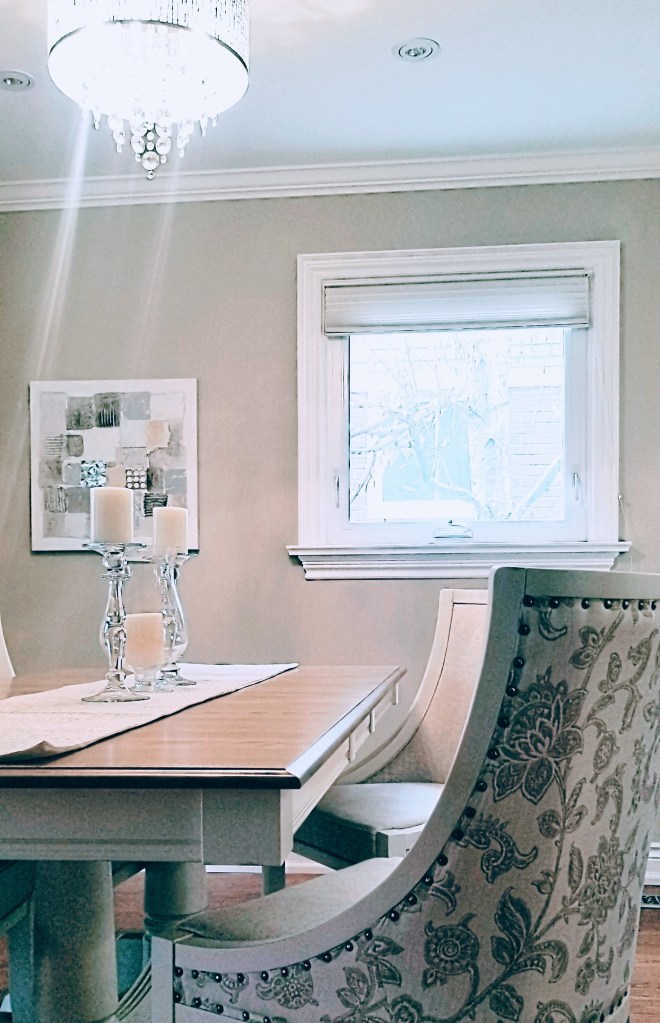
How do you find the appropriate size furniture for your room? Well, before you buy any furniture. Or even before you start making any plans for furnishing and decorating your rooms. You need to measure your space!
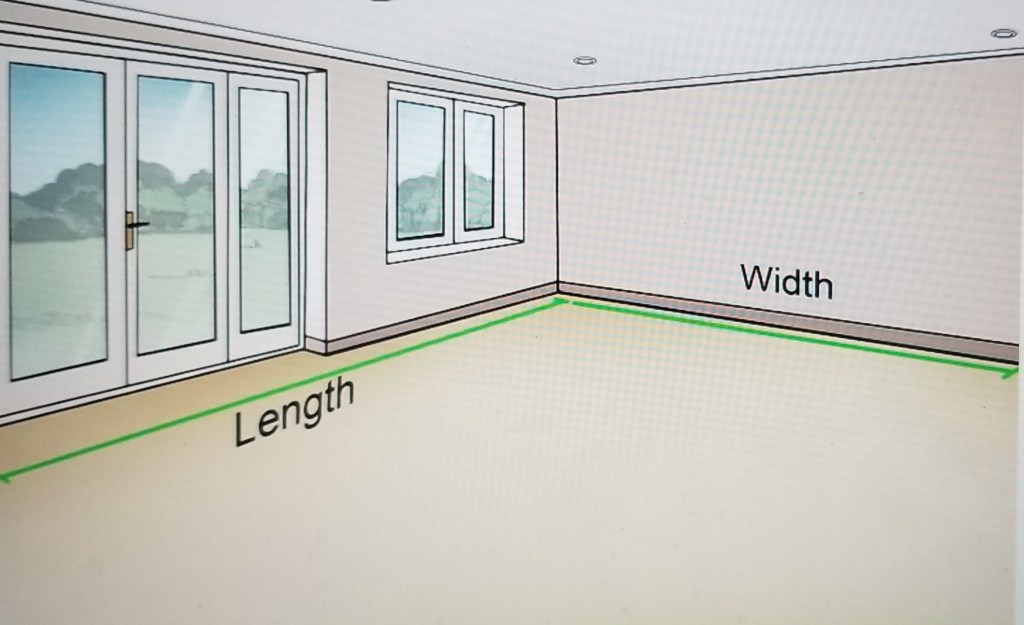
1. Measure the Room
The first thing you need to know is the measurements of the room. Measuring the height of the walls and width and length of the floors is the starting point to achieving well-placed furniture in a room. Double or even triple-check the measurements. To create a floor plan, you need to know the room’s length and width.
2. Make a Floor Plan
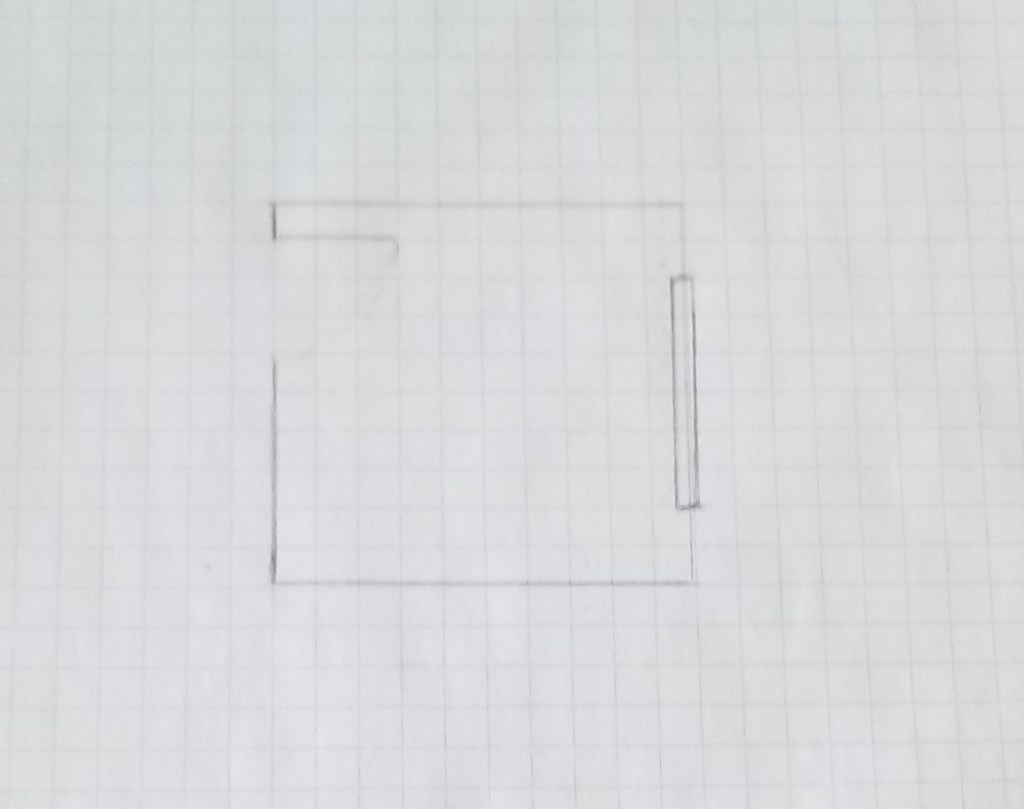
Create a floor plan – a bird’s eye view of the space. The floor plan includes the location of doors and windows. Use graph paper. Make each square equal one foot. So the room and furniture will be to scale.
The above image is an example of a floor plan sketch drawn on graph paper. The doors and windows, but no furniture are in the floor plan. Creating a floor plan will also help you get a sense of proportion.
3. Measure the Furniture
Find out the measurements of your furniture. Measure the furniture’s length and width to determine if it will fit the space. It is important to do if you are buying a sofa or sectional. These are large pieces and can easily be too large for your room.

4. Place the Furniture in the Floor Plan
Now that you have the floor plan and you measured the furniture, you are ready to draw the furniture plan. Add the furniture pieces to the floor plan to see if it fits. This drawing is called the furniture plan. Above is a sketch of a furniture plan.
Determine how much space you can spare for furniture. Sketch out a few different ways that furniture can fit into the room. Use a pencil, so you can erase the pieces and draw them elsewhere.
If the space for the end tables is minimal, it is important to check the measurements carefully. Or you can get an interior designer, like me, to draw a more accurate drawing. Interior decorators draw plans that include feet and inches. It is hard to be that accurate using the above method of sketching a furniture plan.
5. The Scale of Furniture Piece and the Room Size
Consider the size of different aspects of your furniture. The scale of your furniture is equally important as the measurements of the furniture piece. For example, oversized rolled arms in a small room will feel unbalanced. Instead, select sofa arms that take up less space. In a large room, diminutive furniture might feel and look less inviting; in this case, there is more room to allow for larger pieces.
Select necessary pieces of furniture, such as chairs, sofas, and coffee tables, before adding accessory pieces. For example, you may need to forego a bookshelf in a small room. I added a sofa, coffee table, and ends tables in the above sketch. As you can see, there was no room for other accessories such as a bookshelf.
Editing unnecessary furniture goes a long way to keeping the relationship of the furniture in the room from feeling closed in. For example, in the photo below there is not a lot of furniture in this living and dining room.
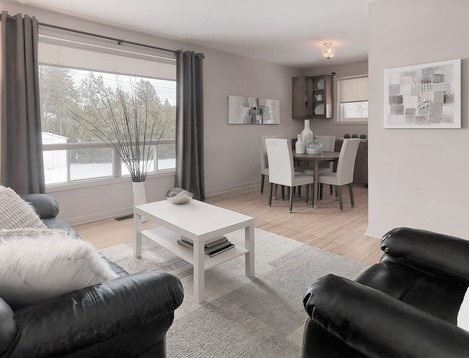
In a large room, the challenge is to avoid creating a too-wide distance between spaces. For example, consider human scale as you position conversation areas. A very large room with furniture spread out creates an awkward sense of spaciousness. Instead, imagine family and friends sitting in the space and placing furniture at a distance that allows for human movement so that two people can have a conversation.
I hope this guide has been helpful. After determining the dimensions of the room, you may find you need help doing a floor plan to scale. Or you may just want a little help designing and decorating your space, so feel free to contact me for a consultation today.

 Lynteriors