
The principles of interior design are the foundational guidelines that designers use to create your spaces that are both beautiful and functional. These principles ensure your home not only looks cohesive, but also feels comfortable and serves its intended purpose.
Design, at its core, is the intentional arrangement of one or more of these principles—organized to achieve a specific goal or effect.
The seven core principles are:
- balance
- emphasis
- contrast
- scale
- proportion
- rhythm
- unity and variety
When unity and variety work together, they create harmony—the ultimate goal of any well-designed space.
These principles are the backbone of great design. They help ensure that your space is designed beautifully, while still reflecting your unique style and meeting the practical needs of your everyday life. In this post, we’ll focus on the design principle known as rhythm—and explore how you can apply this principle to help create your dream home.
How Rhythm Transforms a Room: A Secret Revealed
Want to create a beautiful, harmonious space in your home?
One of the best-kept design secrets to achieve this is to use the design principle known as rhythm.
Rhythm in interior design is all about repeating key elements—such as colours, lines, shapes, or patterns—throughout a space. This repetition creates a sense of movement and flow, guiding the eye naturally from one area to the next. The result is a room that feels cohesive, balanced, and visually inviting.
Whether it’s a consistent colour echoed in throw pillows, or a repeated shape found in accessories or furniture details, rhythm acts as the connective thread. It ties the room together and brings a sense of cohesion to the entire design story.
Colour Rhythm
Rhythm is a key design principle that suggests motion and guides the eye seamlessly from one area or object to another. It helps create visual interest and a sense of harmony. When design elements are arranged into an organized pattern—whether through color, shape, or texture—they establish rhythm. For example, an interior designer could create rhythm by using a colour.
I’ve developed a lot of hands-on experience using rhythm to unify spaces. It’s a technique I apply often, whether I’m staging homes for sale or styling a renovated or redecorated space for clients.
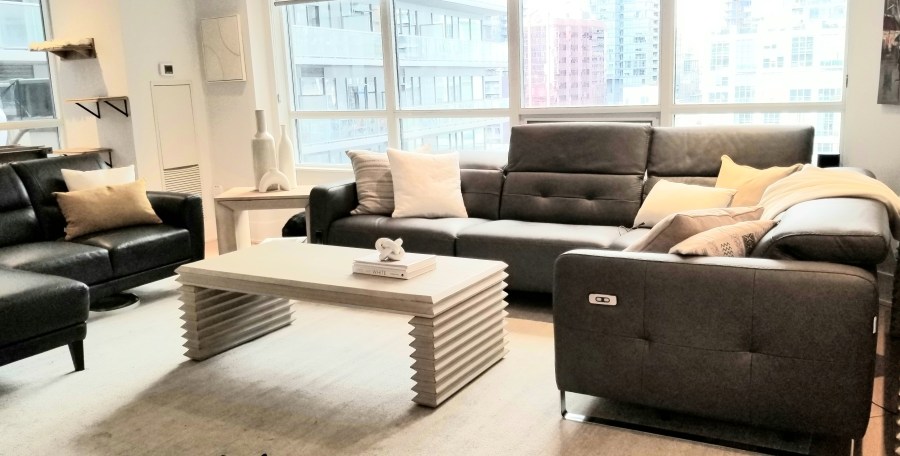
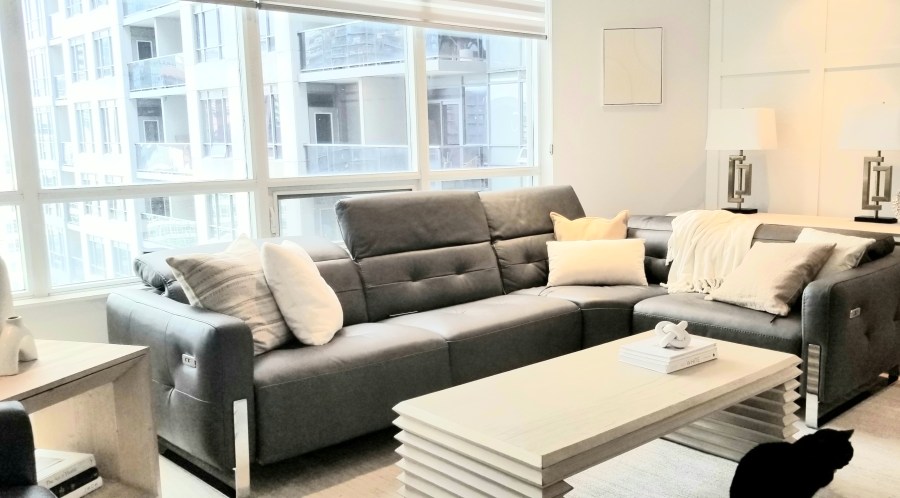
Take, for example, the condo pictured above. The owners wanted to lighten and brighten their living room but also hoped to keep their existing dark charcoal sectionals. In an east-facing room with limited natural light, the heavy furniture made the space feel even darker.
To address this, I introduced as much white as possible to reflect light and create a brighter, more inviting atmosphere—just as the homeowners asked. I applied the design principle of rhythm to establish a visual flow by repeating white elements throughout the room.
Your eye moves from the white walls to the white wall art and lamp shades, then to the whitewashed console. The white is picked up again in the pillows and throw on the sectional, echoed in the whitewashed coffee table, and seen again in the decorative accents and area rug. This subtle repetition of white elements creates a colour rhythm that ties the entire space together.
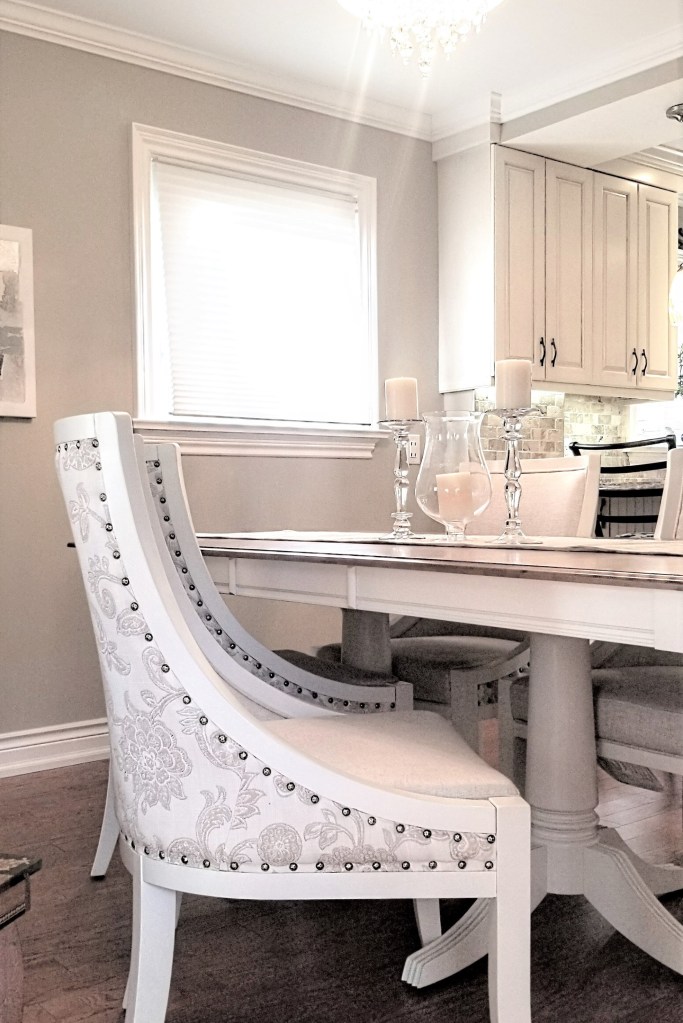
Refer to the photo above to see how this rhythm creates rhythm, brightness, and harmony in the room. The dining room below also using a white colour rhythm to unite the space and make it appear larger.
Summary
In the living room featured in this post, all the new white furniture and decor helped lighten and brighten the space, just as the homeowners wanted. The design principle of rhythm played a key role in achieving this effect. Rhythm in interior design is crucial for creating visually pleasing and cohesive environments that feel both dynamic and balanced. Crafting harmonious and inviting spaces is a key goal in interior design, and understanding the concept of rhythm is essential to achieving this. I also incorporated other principles such as emphasis and balance, but explaining those here would make for a much longer post. An expert interior design professional keep these principles in their mind when working on your project and that is exactly what I do!
As you can see, using even one design principle effectively takes thought, expertise and intention—let alone combining several in one space. So, if you find decorating overwhelming, you’re not alone—and I’d love to help.
If you’re ready to create your own personal sanctuary, I’m here to guide you through the process. Let me help you create your personal sanctuary. After all, you deserve a home that reflects your style. Contact us by clicking the button below.
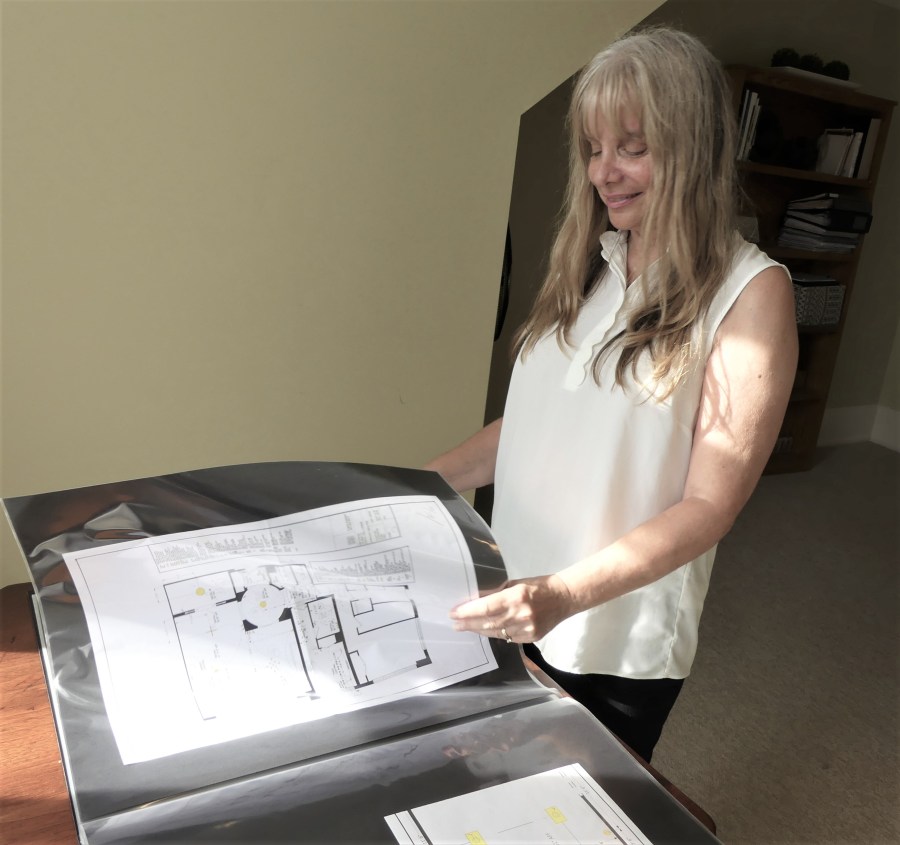
My name is Lynn Asbury, an expert interior design consultant, homestager and owner of Lynteriors. I have over 8 years experience renovating, redecorating and stage homes that make homeowners and home buyers say “Wow” every time they walk into each room.

 Lynteriors